The Purpose Behind Travel
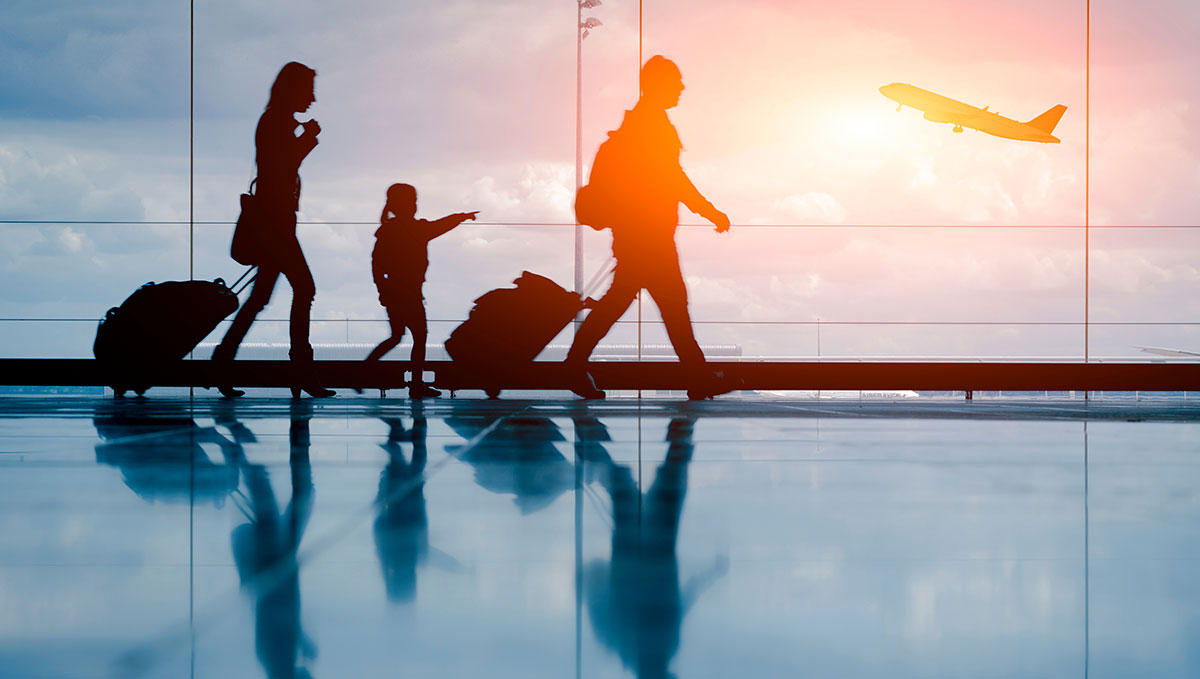
Travel has always been an important part of my life. Over the years, my family and I have visited 48 states, exploring mountains, lakes, cities, and national parks. For us, travel is more than sightseeing or taking pictures. It is an opportunity to teach valuable life lessons, strengthen family bonds, and create memories that last a lifetime.
Travel with intention means approaching every trip with purpose. It is about thinking beyond the destination and focusing on the experiences that will enrich your family’s lives. When done thoughtfully, vacations can be powerful tools for teaching children about curiosity, resilience, empathy, and gratitude.
Learning Through Exploration
One of the most rewarding aspects of travel is the opportunity for children to learn through exploration. Every trip presents new environments, cultures, and experiences that broaden perspectives. For example, visiting Yellowstone National Park allows my family to witness wildlife up close, appreciate the beauty of nature, and understand the importance of conservation. These experiences spark curiosity and encourage questions, helping children develop critical thinking and awareness of the world around them.
Even small trips can have significant learning opportunities. A visit to a local museum, a historic site, or even a new neighborhood offers lessons in history, science, and human connection. Travel teaches children that learning is not confined to a classroom and that the world is full of opportunities to grow.
Teaching Adaptability and Resilience
Travel does not always go as planned, and that is where some of the most important lessons occur. Flights are delayed, weather changes unexpectedly, and plans sometimes need to shift. These moments provide an opportunity to teach adaptability and resilience.
When my children face challenges on a trip, I encourage them to problem-solve, remain patient, and look for creative solutions. These skills extend far beyond vacations. Learning to adapt to change and handle unexpected situations builds confidence and prepares children for the challenges of everyday life.
Fostering Family Connection
Vacations provide a rare opportunity for uninterrupted family time. In our daily routines, it is easy to get caught up in schedules and responsibilities. Traveling together allows us to slow down and focus on one another.
Whether we are hiking in Montana, paddleboarding in Park City, or exploring a small town in California, shared experiences create strong bonds. Conversations flow more naturally, laughter comes more easily, and memories are made that no one will forget. These connections are the foundation for a supportive and loving family environment.
Instilling Empathy and Cultural Awareness
Intentional travel also teaches children empathy and cultural awareness. Visiting different communities, learning local customs, and interacting with people from diverse backgrounds encourages understanding and respect.
Even within the United States, there is incredible cultural and geographic diversity. My children have seen the contrast between the mountains of Montana and the beaches of California, the rural charm of small towns and the bustle of cities. Each experience teaches them to appreciate differences and develop an open-minded perspective that will serve them well in life.
Encouraging Gratitude
Travel is a powerful tool for fostering gratitude. Experiencing new places and seeing how other people live allows children to reflect on their own lives and privileges. Whether it is a simple road trip or a more elaborate vacation, travel helps children recognize the value of experiences over material possessions.
I encourage my family to reflect on the highlights of each trip and what they are grateful for. These reflections often become conversations about the importance of kindness, generosity, and appreciating the world around us.
Creating Lasting Memories
Perhaps the most lasting impact of travel is the memories it creates. Photographs capture moments, but the shared experiences and emotions stay with us for a lifetime. My children will remember the hikes we took together, the wildlife we encountered, and the spontaneous detours that turned into adventures. These memories become stories we tell for years and serve as a reminder of the lessons learned along the way.
Travel does not have to be extravagant or far away to be meaningful. Even short weekend trips can offer opportunities for bonding, learning, and reflection. What matters is the intentionality behind the journey and the engagement of the family in the experience.
Practical Tips for Intentional Travel
To make travel more intentional, I focus on a few simple principles. First, I involve my children in planning. Letting them choose activities or destinations gives them ownership of the experience. Second, I balance adventure with downtime. Busy itineraries can feel stressful, so we make space for rest and reflection. Third, I encourage reflection. During or after each day, we discuss what we learned, what surprised us, and what moments were most meaningful.
By approaching travel in this way, every trip becomes an opportunity for personal growth, family connection, and meaningful learning.
Travel as a Life Lesson
Intentional family travel is about more than seeing new places. It is about creating a framework where children learn important life skills, develop empathy, and strengthen bonds with their loved ones. Travel teaches curiosity, adaptability, gratitude, and resilience. It fosters connection and creates memories that will last far beyond the journey itself.
For our family, travel is a gift. It allows us to experience the world together, learn from one another, and grow as individuals and as a family unit. By approaching each trip with intention, we turn every journey into a life lesson that will shape us for years to come.